Commute: 423 km real-world range | longer home charging sessions
Road-trip (10-80%): 30 min | +147 km in 10 min | peak 180 kW
Home charging (AC): 11 kW | 0-100% 9 h 20 min
Seats & cargo: 5 seats | 450 L | max 1300 L
Overview
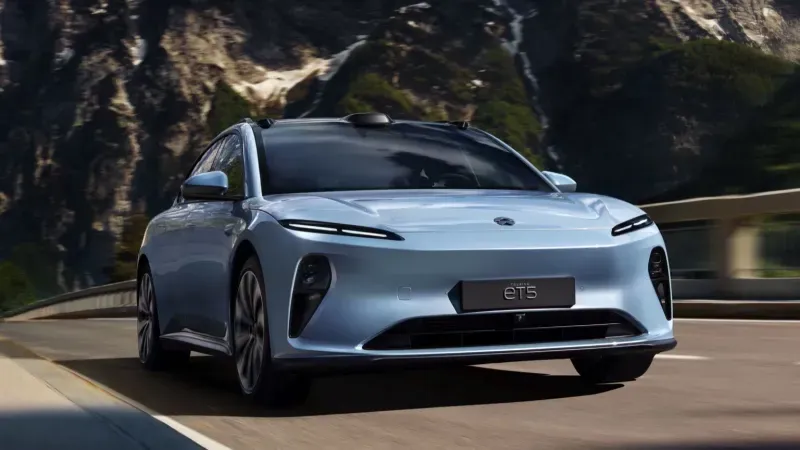
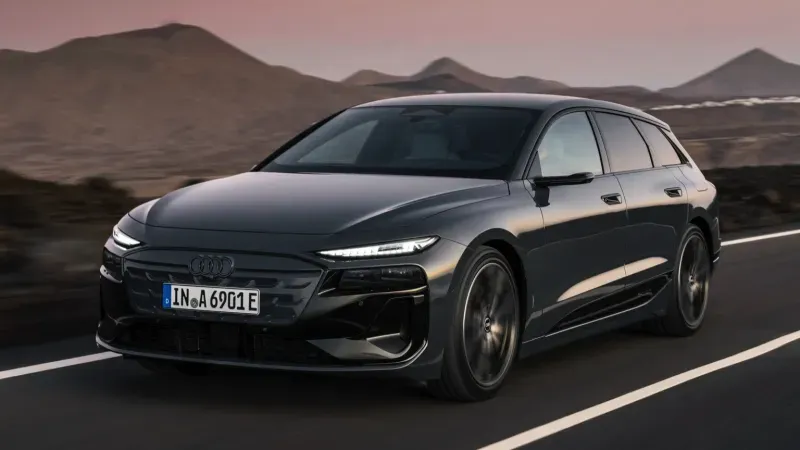
NIO ET5 Touring Long Range 2023 overview
In this trim, NIO ET5 Touring Long Range 2023 is an electric wagon with AWD and seating for 5. Built for longer legs between stops (506 km - 560 km, above the class median of 452 km).
Battery capacity: 90 kWh usable (100 kWh nominal). It runs on a 400 V architecture.
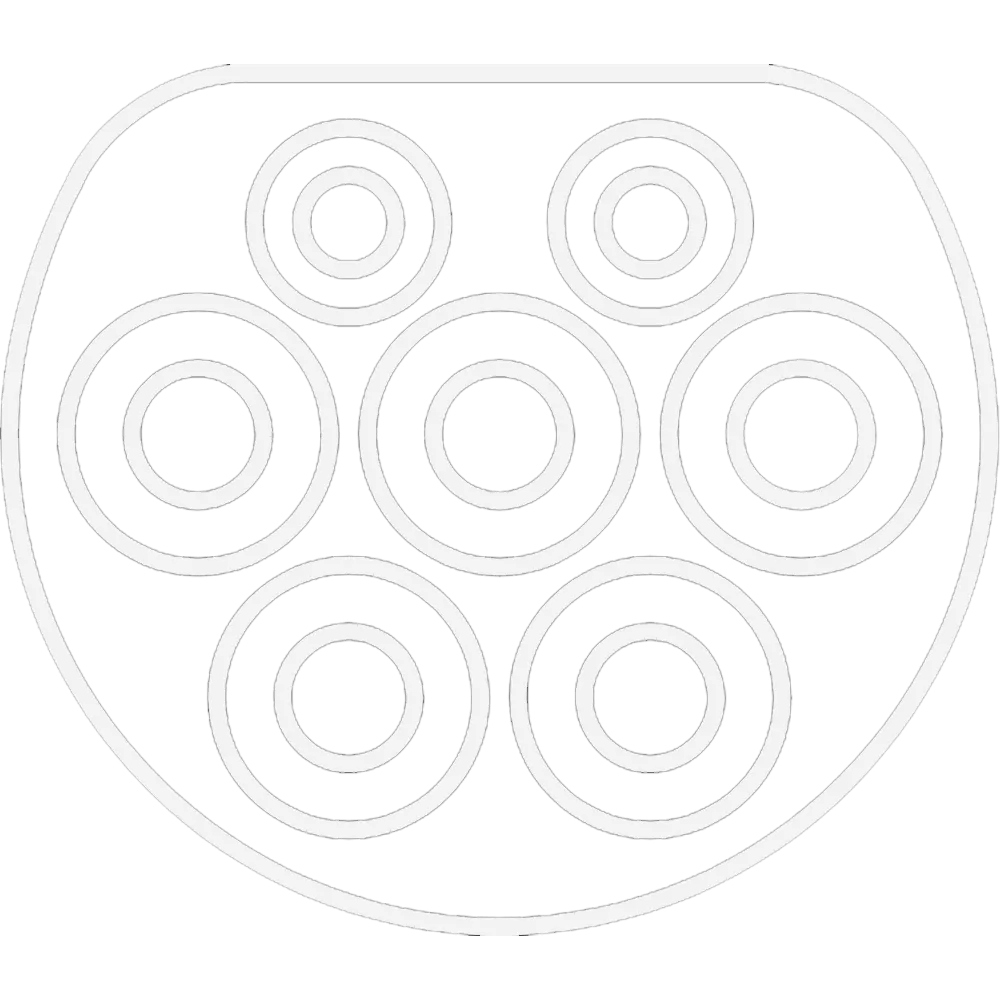
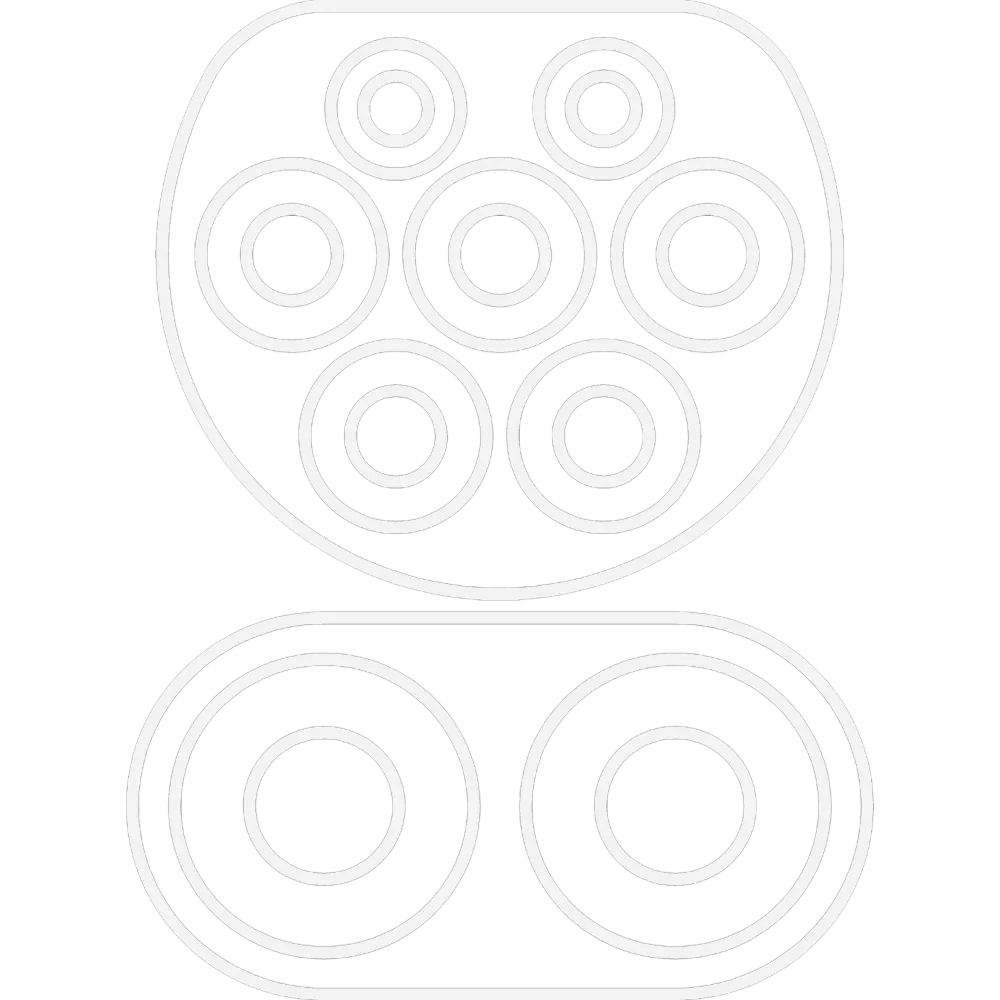
Charging: AC up to 11 kW (Type 2); DC up to 180 kW (CCS Combo 2). For a typical DC stop, it adds ~147 km in 10 min; Battery preconditioning supports navigation-based routing.
Class comparison
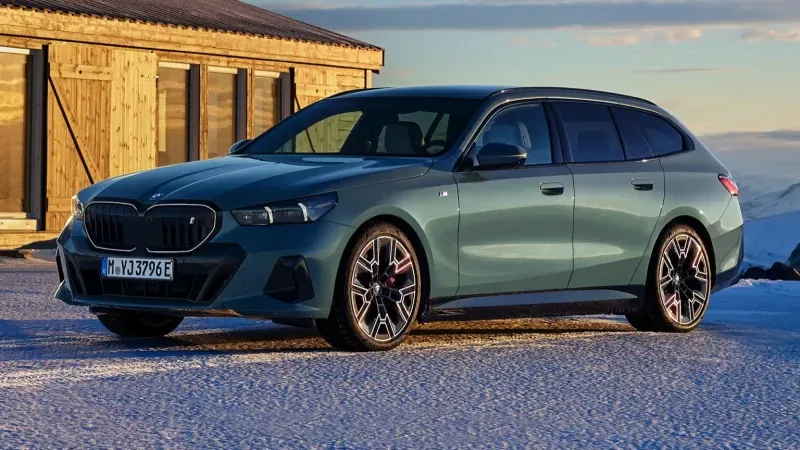
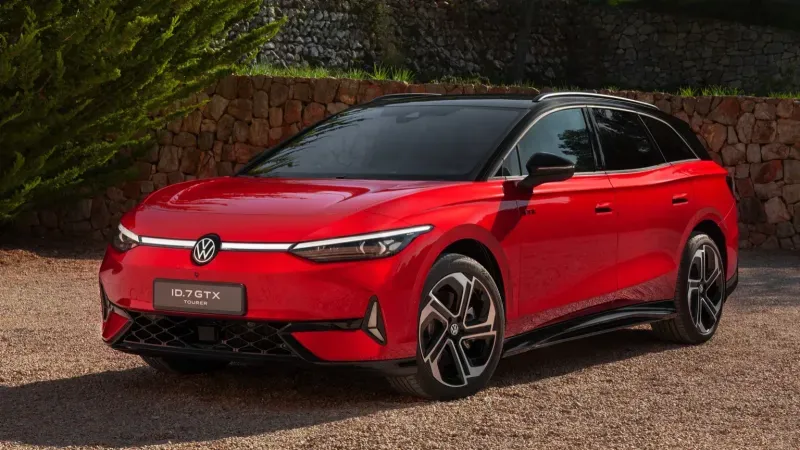
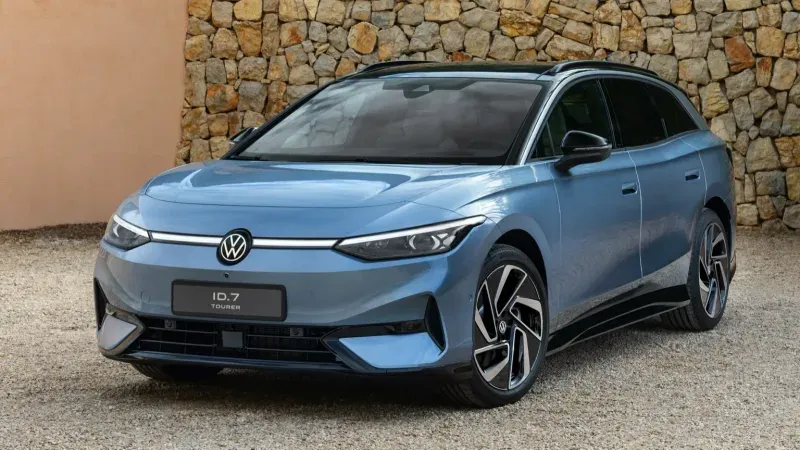
NIO ET5 Touring Long Range 2023 compares with 49 wagons and leans toward longer DC stops and lower peak DC power. 10–80% time is longer than the class median; 30 min vs 20 min; 10 min slower, +50%. Peak DC power is below the class median; 180 kW vs 268 kW; 88 kW lower, -33%. WLTP range is above the class median; 506 km vs 452 km; 54 km higher, +12%. A strong match for longer stints between charges, with longer 10–80% stops as the main trade-off.
Real Range
City - Mild Weather
603 km
City - Cold Weather
407 km
Highway - Mild Weather
386 km
Highway - Cold Weather
297 km
Real range estimates The values shown here are estimates calculated by BEV-Database using WLTP data and the usable battery capacity of the car. Mild weather represents driving in roughly +20 +25 C without heavy use of climate control, while Cold weather reflects winter conditions with cabin heating. Highway assumes steady cruising at about 110 km/h. These figures are not official test results. Real-world range will vary depending on speed, temperature, traffic, road profile, payload, tyres and driving style.
BEVDB estimates use WLTP-rated (or derived) consumption and usable battery capacity to model city/highway ranges; the combined value averages the four scenarios.
Reminder: Range and energy consumption figures are estimates. Actual results may vary depending on weather, driving style, terrain, and other conditions.