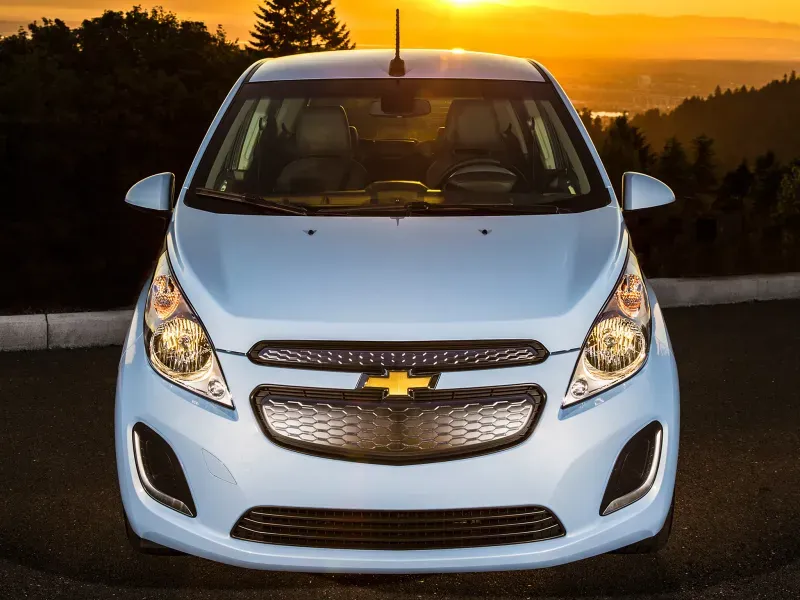
Chevrolet Spark EV 2016 makes the most sense as a FWD electric hatchback built around compact daily use rather than frequent highway travel. For ownership planning, the key range numbers are not only 82 mi official, but also about 71 mi mixed and 52 mi in cold highway driving.
In daily use, home charging takes about 6 h 10 min from 0-100%; on trips, the 10-80% DC estimate is about 23 min (est.), which should make highway stops manageable. The practical side is documented with 4 seats, 9.6 cu ft cargo and 8 years / 100,000 miles battery warranty. The main caveat is that road-trip charging is slower than newer long-range EVs. Range confidence is high, while specs completeness is mostly complete.
Best fit
City drivingShort commuteHome charging
Main caveatRoad-trip charging is slower than newer long-range EVs.
Range reality
Official EPA range
82 mi
BEVDB mixed estimate
71 mi
Cold highway estimate
52 mi
Official vs BEVDB gap
-11 mi / -13%
Charging reality
Home charging
0-100% 6 h 10 min
Fast charging
10-80% 23 min (est.)
10-80% range added
50 mi Based on BEVDB combined consumption
Practical ownership
Seats
4
Cargo
9.6 cu ft
Battery warranty
8 years / 100,000 miles
Data quality
Range confidence
High
Specs completeness
Mostly complete
Estimate basis
EPA data + BEVDB model
Missing key data
Safety rating, Roof load
Real Range
City - Mild Weather
89 miles
City - Cold Weather
62 miles
Highway - Mild Weather
66 miles
Highway - Cold Weather
52 miles
Estimates of actual range. The values given here are BEVDB estimates calculated from EPA data and usable battery capacity, based on the BEVDB model. The BEVDB real-range card uses four fixed reference scenarios: City (Mild), Highway (Mild), City (Cold), and Highway (Cold). Mild means +20°C (70°F) without intensive climate-control use; cold means -10°C (14°F) with cabin heating. City speed is 50 km/h (30 mph), and highway speed is 110 km/h (70 mph). These figures are not official test results. Actual range will vary depending on speed, temperature, road conditions, road profile, load, tires, and driving style.
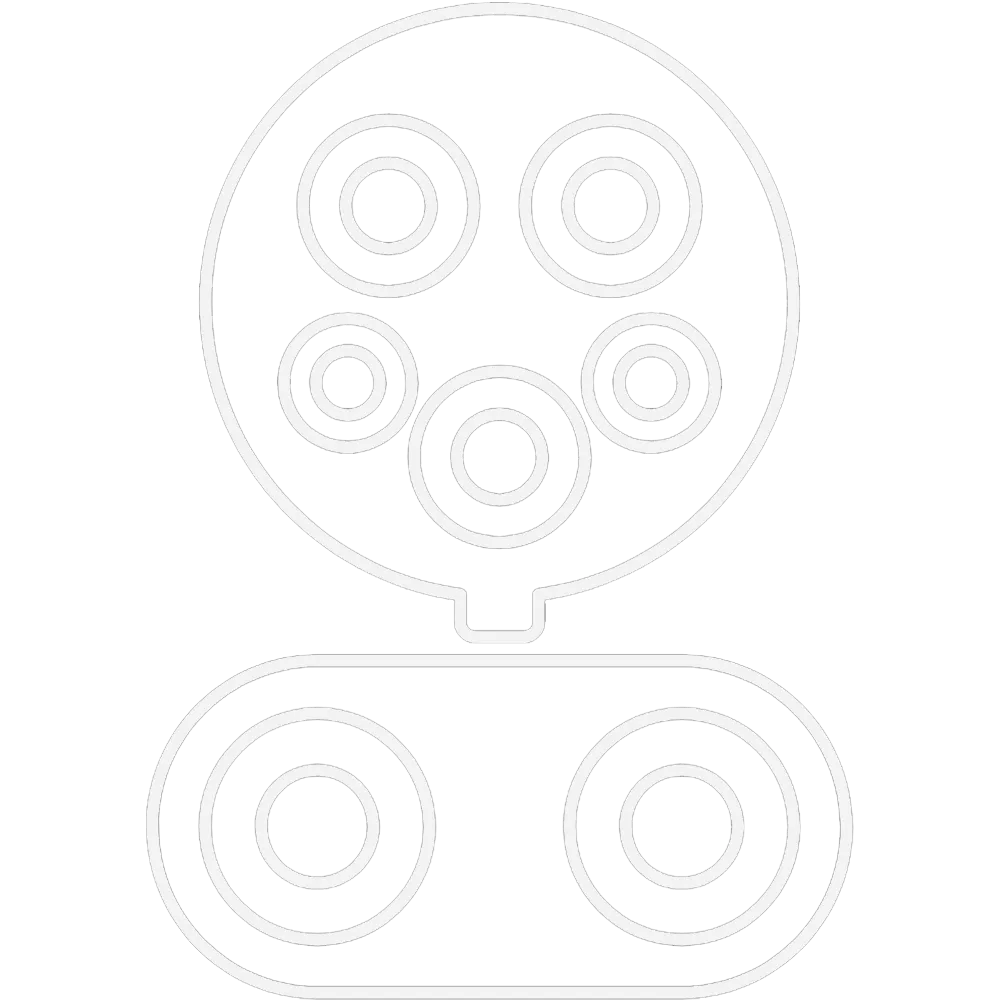
Fast-charging times may use BEVDB estimates when measured 10–80% data is unavailable. Lower-power charger scenarios are estimated from the vehicle's 10–80% charging profile.
Estimated charging times are based on usable battery capacity, charging power and vehicle charging limits. Peak DC power is usually reached only briefly; average 10–80% power is more useful for estimating real charging time. Actual charging speed can vary by charger output, battery temperature, state of charge, weather, software and battery condition.
BEVDB estimates use EPA-rated (or derived) consumption and usable battery capacity to model city/highway ranges; the combined value is a weighted mix of city/highway and mild/cold scenarios. See the methodology and data sources for inputs, official source boundaries, fallback rules, and versioning.
Reminder: Range and energy consumption figures are estimates. Actual results may vary depending on weather, driving style, terrain, and other conditions. Review the BEVDB methodology for estimate boundaries and source labels. If this model page looks wrong, use Contact and include this page URL plus an official source link when possible.