Commute: 392 km real-world range | longer home charging sessions
Road-trip (10-80%): 25 min | +156 km in 10 min | peak 147 kW
Home charging (AC): 6.6 kW | 0-100% 11 h 0 min
Seats & cargo: 5 seats | 522 L | max 1515 L
Battery warranty: 8 years / 160,000 km
Overview
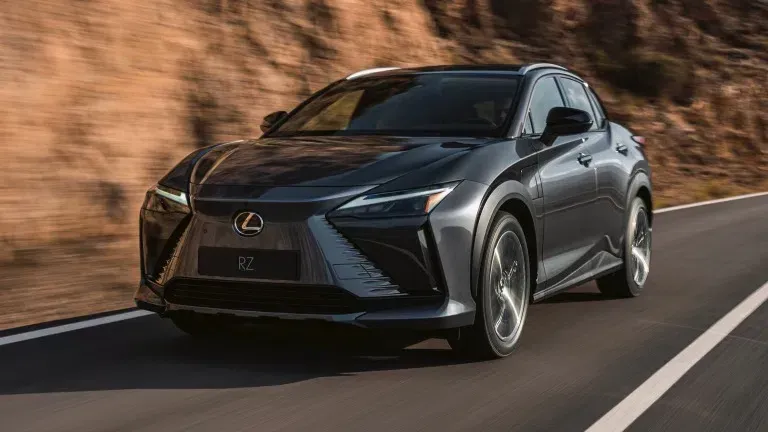
Lexus RZ 300e 2023 overview
Lexus RZ 300e 2023 is an electric SUV with FWD and seating for 5. Energy use is 15.7 kWh/100 km, lower than the class median of 17.9 kWh/100 km.
Battery capacity: 64 kWh usable (71.4 kWh nominal). It is based on a 400 V electrical system.
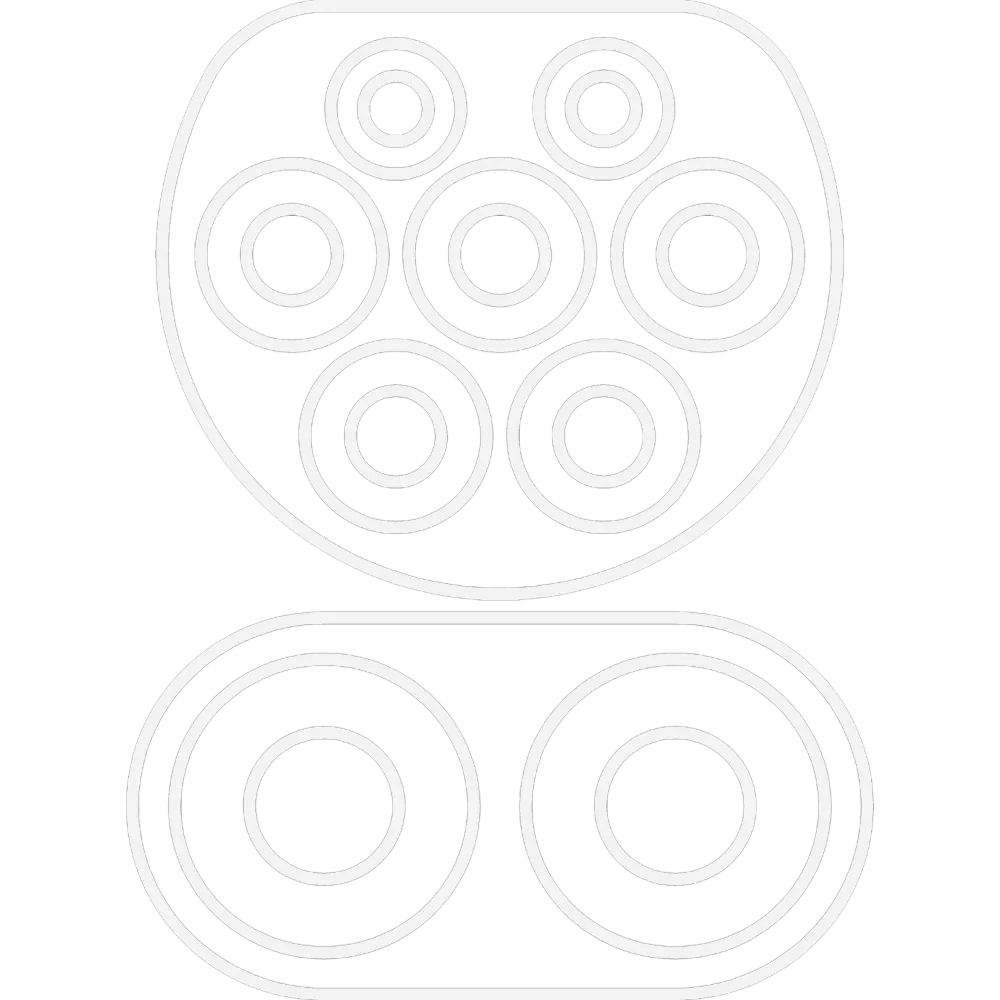
Charging: AC up to 6.6 kW (Type 2); DC up to 147 kW (CCS Combo 2). On a DC fast charger, it adds ~156 km in 10 min; Key performance figures: 160 km/h top speed.
Class comparison
Among 503 SUVs, Lexus RZ 300e 2023 leans toward slower acceleration and a smaller usable battery. 0–100 km/h is slower than the class median; 8 s vs 6.6 s; 1.4 s slower, +21%. Usable battery capacity is below the class median; 64 kWh vs 77 kWh; 13 kWh lower, -17%. Official energy use is lower than the class median; 15.7 kWh/100 km vs 17.9 kWh/100 km; 2.2 kWh/100 km lower, -12%. A strong match for lower energy use, with slower acceleration as the main trade-off.
Real Range
City - Mild Weather
474 km
City - Cold Weather
377 km
Highway - Mild Weather
358 km
Highway - Cold Weather
275 km
Real range estimates The values shown here are estimates calculated by BEV-Database using WLTP data and the usable battery capacity of the car. Mild weather represents driving in roughly +20 +25 C without heavy use of climate control, while Cold weather reflects winter conditions with cabin heating. Highway assumes steady cruising at about 110 km/h. These figures are not official test results. Real-world range will vary depending on speed, temperature, traffic, road profile, payload, tyres and driving style.
BEVDB estimates use WLTP-rated (or derived) consumption and usable battery capacity to model city/highway ranges; the combined value averages the four scenarios.
Reminder: Range and energy consumption figures are estimates. Actual results may vary depending on weather, driving style, terrain, and other conditions.