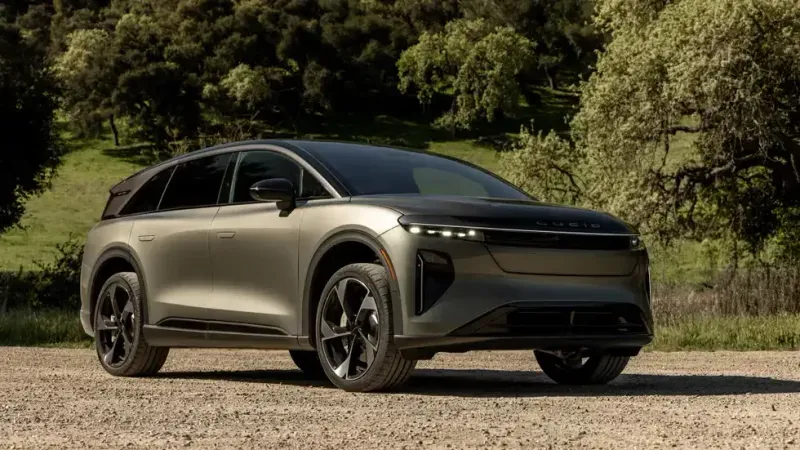
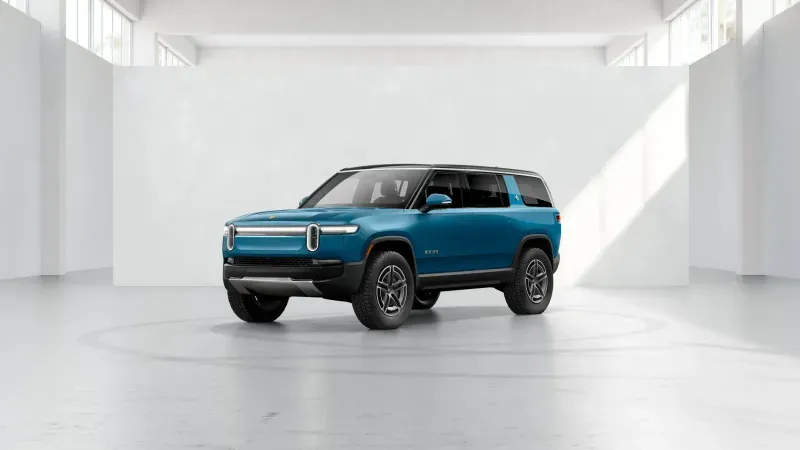
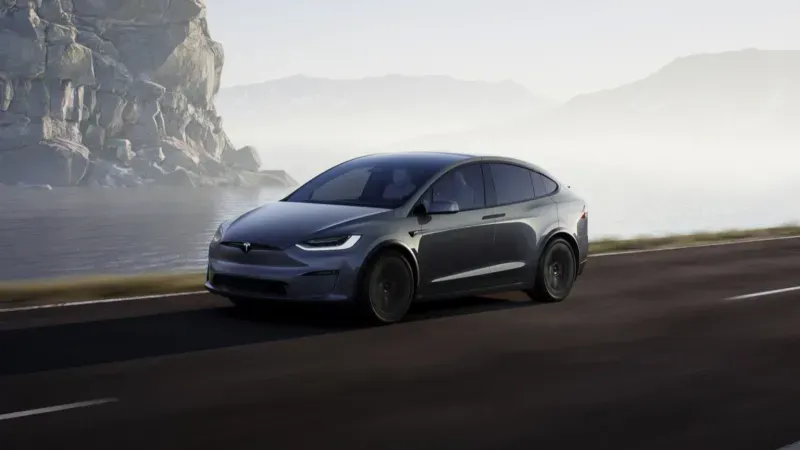
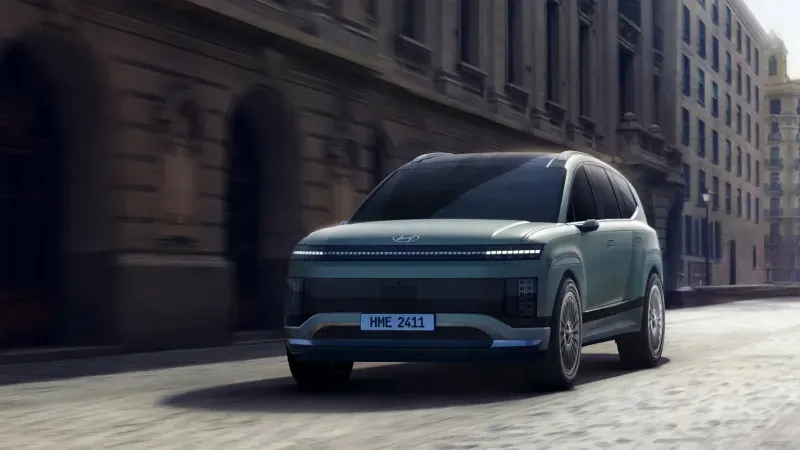
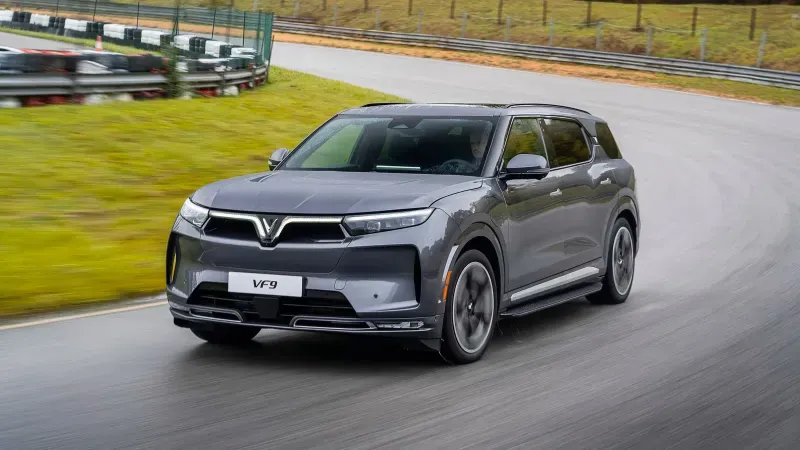
More cargo space is the clearest strength, while the higher starting price is the main compromise.
Charging Reality
10–80%
24 min (est.)
Practical Ownership
Seats
7
Cargo
25-120 cu ft
Braked towing
6,000 lbs
Battery warranty
8 yr / 100k mi8 years / 100,000 miles
How it compares
Compared with at least 16 US-market EVs with a similar body style (2023–2026).
Strongest point
More cargo space
7.3 cu ftabove medianMain trade-off
Higher starting price
$16,908above median
Nominal Capacity
114 kWh
Usable Capacity
112 kWh
Battery Type
Lithium-ion
Architecture
926 V
Warranty Period
8 years
Warranty Mileage
100000 miles
Source: Manufacturer
Home / Destination
Charging Type
NACS
Port Location
Rear Left
Charge Power
19.2 kW
Fast Charging
Fast Charging Port
NACS
Port Location
Rear Left
Charge Power (max)
300 kW
Charge Time DC (10-80%)
24 min
Autocharge Supported
yes
Plug & Charge
Plug & Charge Supported
yes
Preconditioning
Preconditioning Possible
yes
Automatically using Navigation
yes
Home / destination charging — 0–100%
AC full charge: fastest ~6h 40m
Charging option
Power used
Approx. time
Range per hour
Notes
Level 1 · 120V / 12A
1.4 kW
90h 55m
—
—
Level 1 · 120V / 16A
1.9 kW
67h
—
—
Level 2 · 240V / 32A
7.7 kW
16h 30m
—
—
Level 2 · 240V / 40A
9.6 kW
13h 15m
—
—
Level 2 · 240V / 48A
11.5 kW
11h 5m
—
—
Level 2 · 240V / 80A
19.2 kW
6h 40m
—
—
Fast charging — 10–80%
Fastest DC 10–80%: ~25 min
Charging option
Power used
Approx. time
Range per hour
Notes
DC 50 kWNACS connector
41 kW avg.
1h 55m
—
—
DC 150 kWNACS connector
122 kW avg.
39 min
—
Limited by charger
DC 250+ kWNACS connector
178 kW avg.
27 min
—
Limited by charger
DC 350 kWNACS connector
186 kW avg.
25 min
—
Limited by vehicle
Fast-charging times may use BEVDB estimates when measured 10–80% data is unavailable. Lower-power charger scenarios are estimated from the vehicle's 10–80% charging profile.
Estimated charging times are based on usable battery capacity, charging power and vehicle charging limits. Peak DC power is usually reached only briefly; average 10–80% power is more useful for estimating real charging time. Actual charging speed can vary by charger output, battery temperature, state of charge, weather, software and battery condition.
Reminder: Range and energy consumption figures are estimates. Actual results may vary depending on weather, driving style, terrain, and other conditions. Review the BEVDB methodology for estimate boundaries and source labels. If this model page looks wrong, use Report incorrect data and include this page URL plus an official source link when possible.