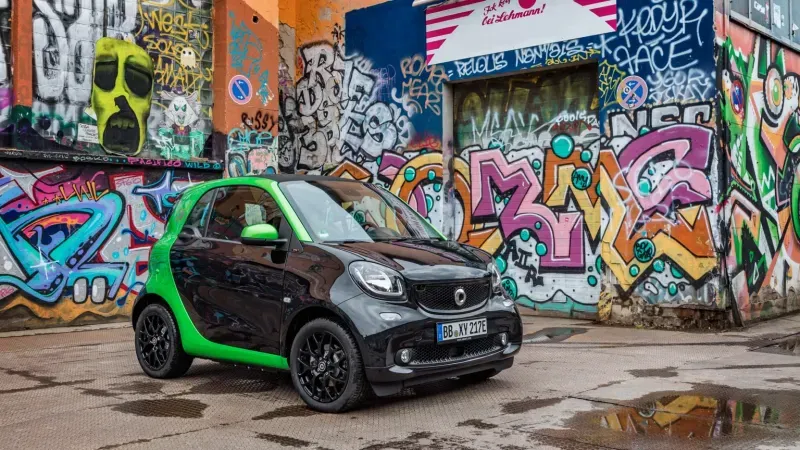
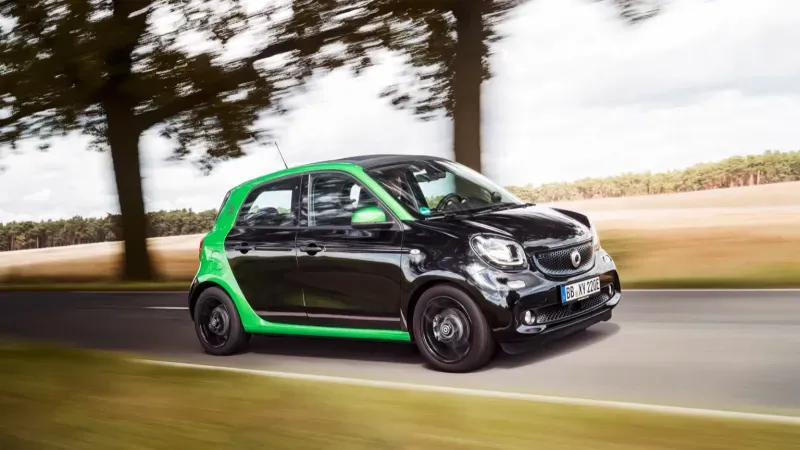
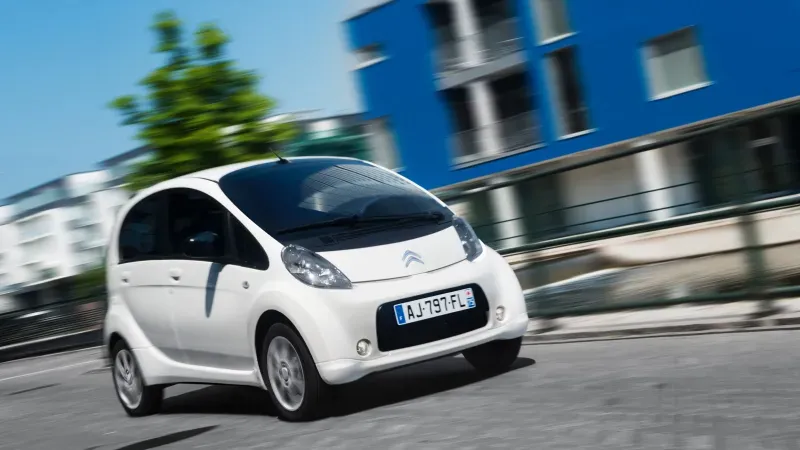
Smart ForTwo Electric Drive 2017 is offered as an electric hatchback with RWD and seating for 2. 0–100 km/h: 11.5 s, much slower than the class median of 9 s.
Battery: 16.7 kWh usable (17.6 kWh nominal). It uses a 400 V electrical system.
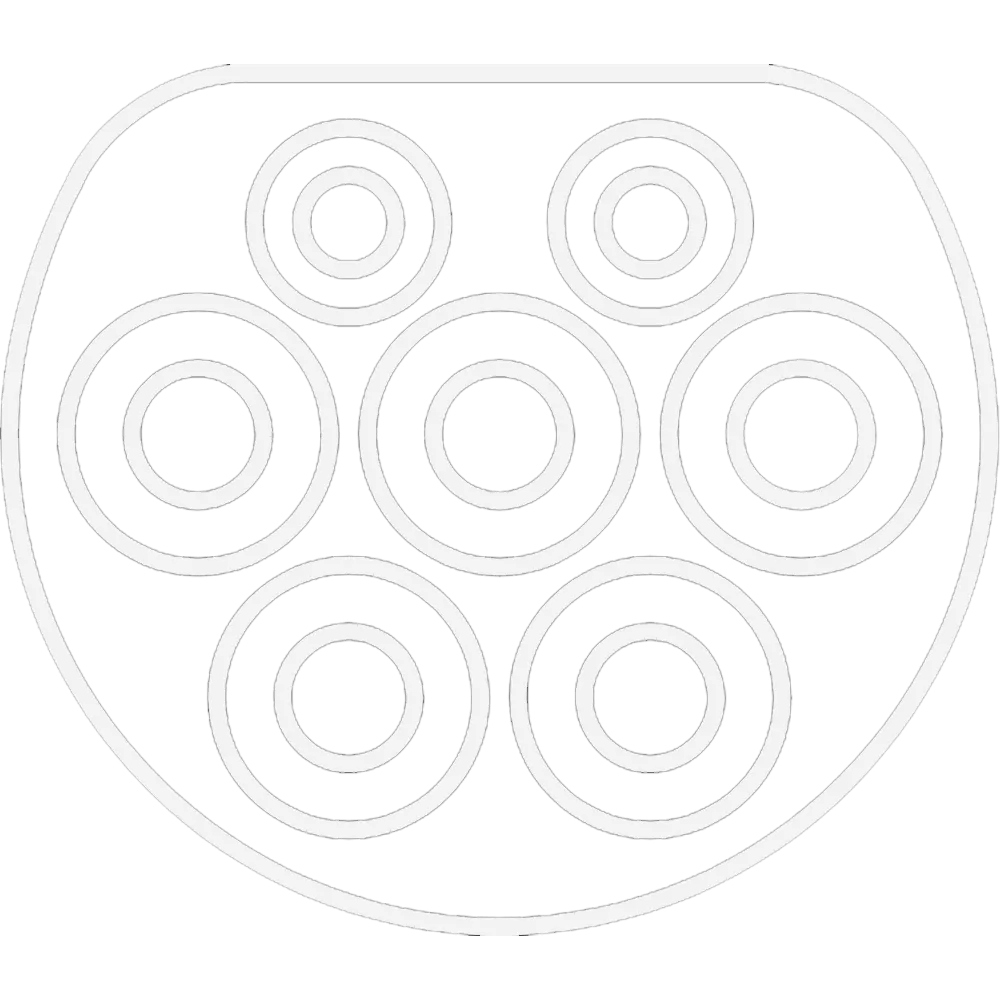
Charging includes AC charging up to 4.6 kW (Type 2). Cargo volume is 260 L.
Class comparison
Within a group of 152 hatchbacks, Smart ForTwo Electric Drive 2017 leans toward shorter range and a smaller usable battery. WLTP range is below the class median; 100 km vs 330 km; 230 km lower, -70%. Usable battery capacity is below the class median; 16.7 kWh vs 45.4 kWh; 28.7 kWh lower, -63%. 0–100 km/h is slower than the class median; 11.5 s vs 9 s; 2.5 s slower, +28%. Worth considering if you can live with shorter legs between charges and a smaller usable battery.
Real Range
City - Mild Weather
No Data
City - Cold Weather
No Data
Highway - Mild Weather
No Data
Highway - Cold Weather
No Data
Real range estimates The values shown here are estimates calculated by BEV-Database using WLTP data and the usable battery capacity of the car. Mild weather represents driving in roughly +20 +25 C without heavy use of climate control, while Cold weather reflects winter conditions with cabin heating. Highway assumes steady cruising at about 110 km/h. These figures are not official test results. Real-world range will vary depending on speed, temperature, traffic, road profile, payload, tyres and driving style.
Reminder: Range and energy consumption figures are estimates. Actual results may vary depending on weather, driving style, terrain, and other conditions.