Commute: 241 km real-world range | easy overnight home charging
Road-trip (10-80%): 25 min | +130 km in 10 min | peak 150 kW
Home charging (AC): 11 kW | 0-100% 5 h 0 min
Seats & cargo: 5 seats | 1330 L | max 3615 L
Battery warranty: 7 years / 150,000 km
Overview
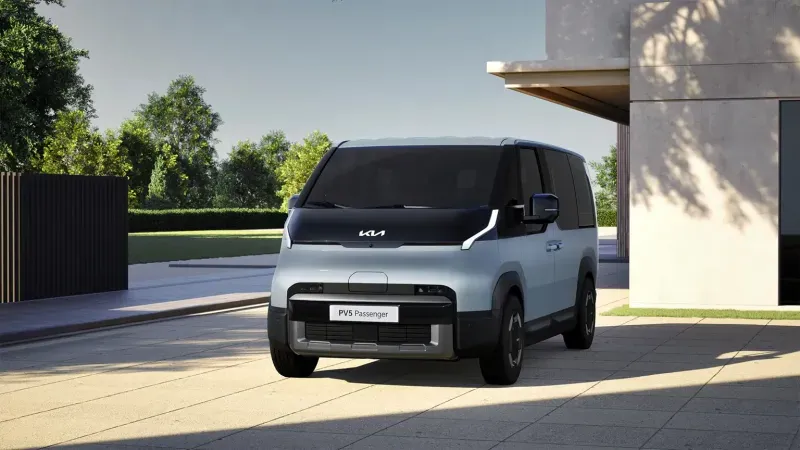
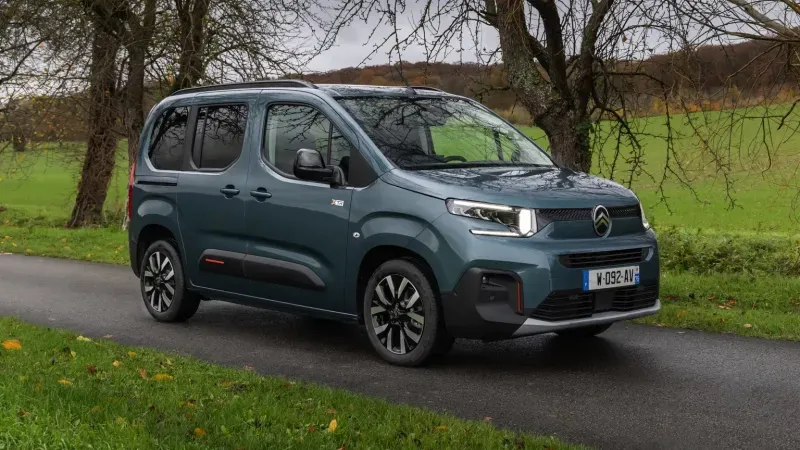
Kia PV5 Passenger 51.5 kWh 2025 overview
In this trim, Kia PV5 Passenger 51.5 kWh 2025 is an electric van with FWD and seating for 5. Energy use is low for the class: 19.2 kWh/100 km, much lower than the class median of 24.6 kWh/100 km.
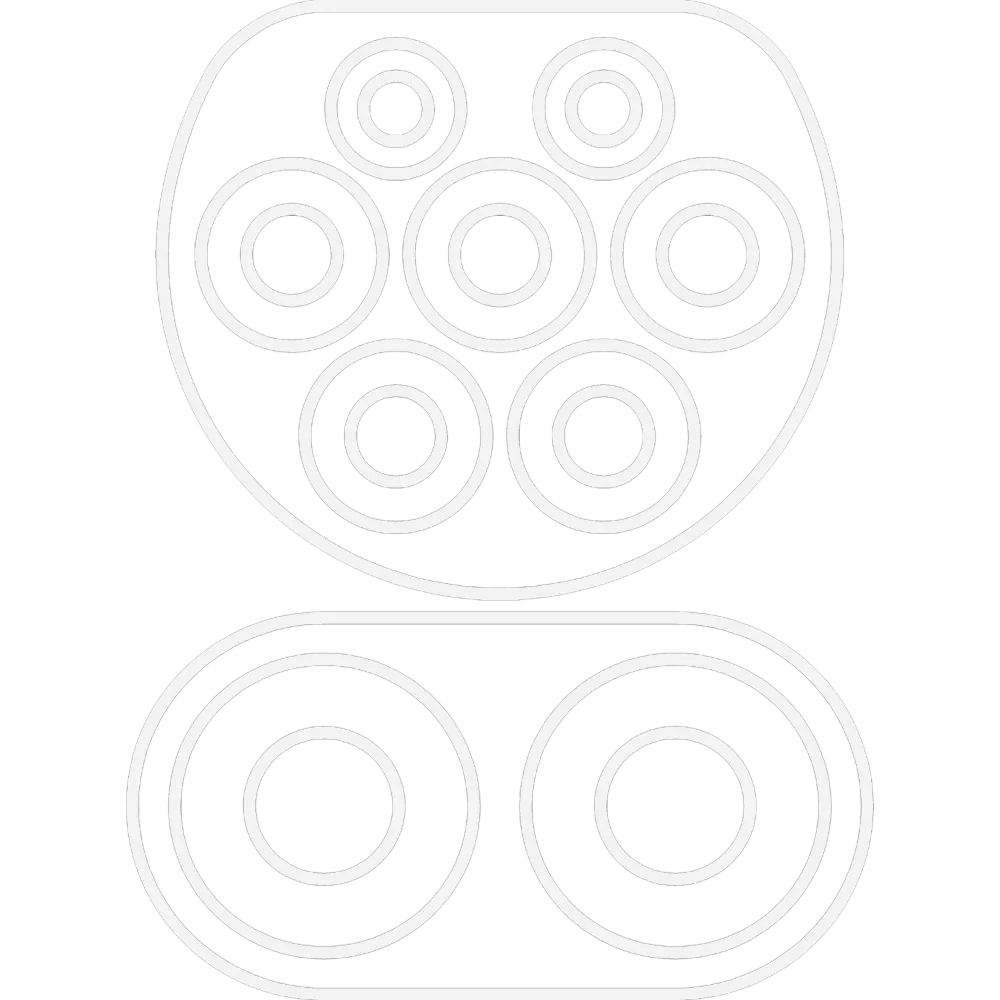
Charging: AC up to 11 kW (Type 2); DC up to 150 kW (CCS Combo 2). For DC fast charging, it adds ~130 km in 10 min; Battery preconditioning allows manual control.
Class comparison
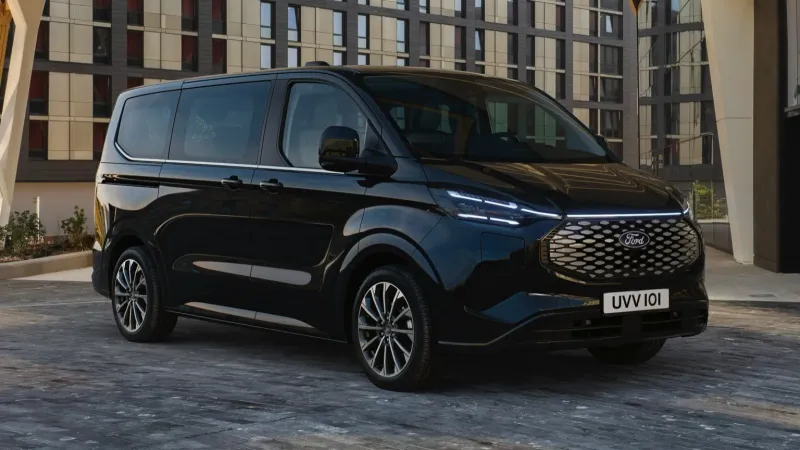
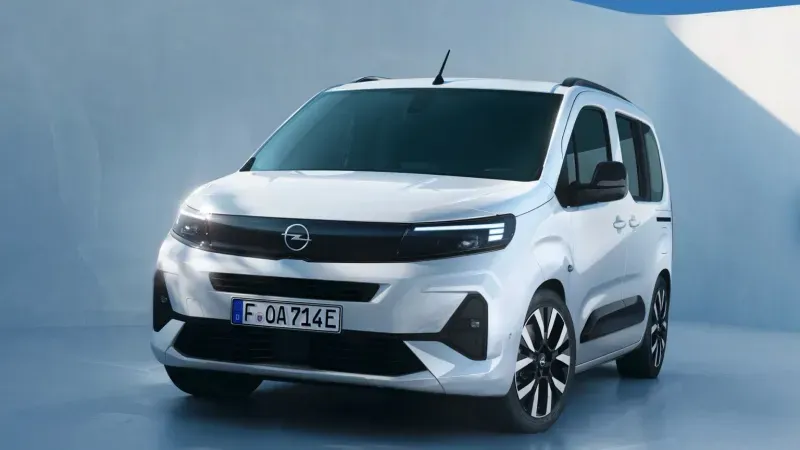
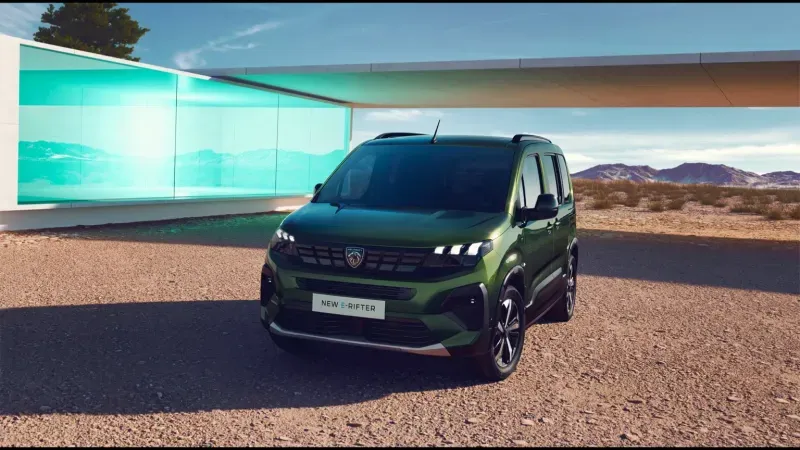
Within a group of 120 small passenger vans, Kia PV5 Passenger 51.5 kWh 2025 stands out for more range in 10 min and higher peak DC power. Range added in 10 min is higher than the class median; 130 km vs 68 km; 62 km higher, +91%. Peak DC power is above the class median; 150 kW vs 101 kW; 49 kW higher, +49%. Cargo volume is above the class median; 1330 L vs 912 L; 418 L higher, +46%. Good fit if you prioritize more range in a 10-minute stop, higher peak DC power, and more cargo space.
Real Range
City - Mild Weather
331 km
City - Cold Weather
231 km
Highway - Mild Weather
219 km
Highway - Cold Weather
169 km
Real range estimates The values shown here are estimates calculated by BEV-Database using WLTP data and the usable battery capacity of the car. Mild weather represents driving in roughly +20 +25 C without heavy use of climate control, while Cold weather reflects winter conditions with cabin heating. Highway assumes steady cruising at about 110 km/h. These figures are not official test results. Real-world range will vary depending on speed, temperature, traffic, road profile, payload, tyres and driving style.
BEVDB estimates use WLTP-rated (or derived) consumption and usable battery capacity to model city/highway ranges; the combined value averages the four scenarios.
Reminder: Range and energy consumption figures are estimates. Actual results may vary depending on weather, driving style, terrain, and other conditions.