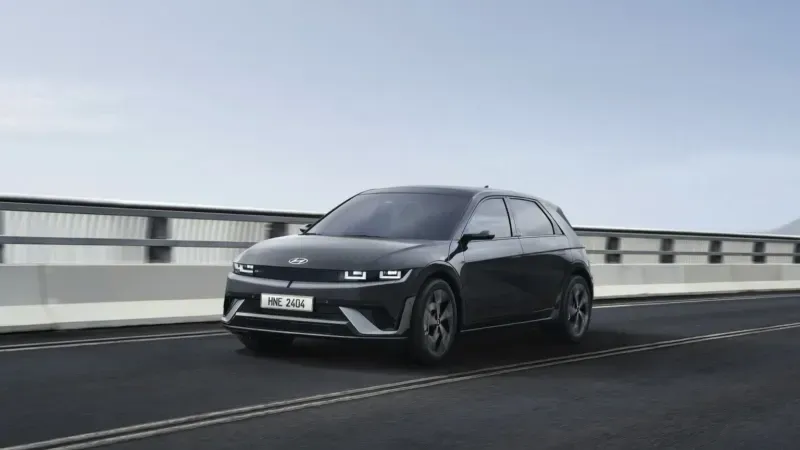
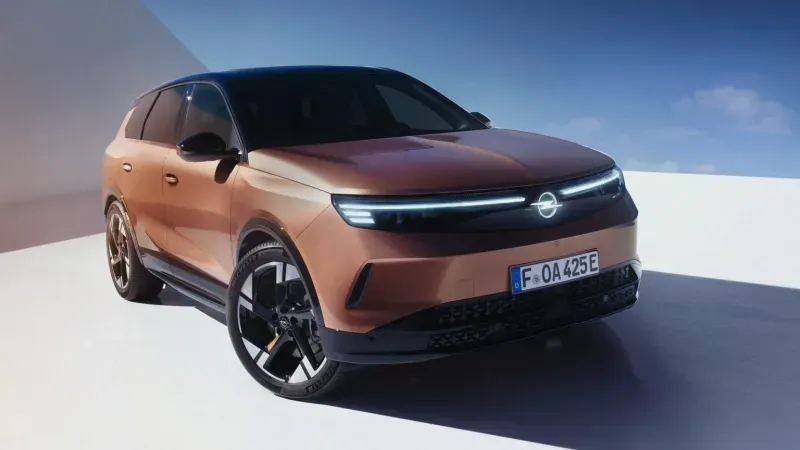
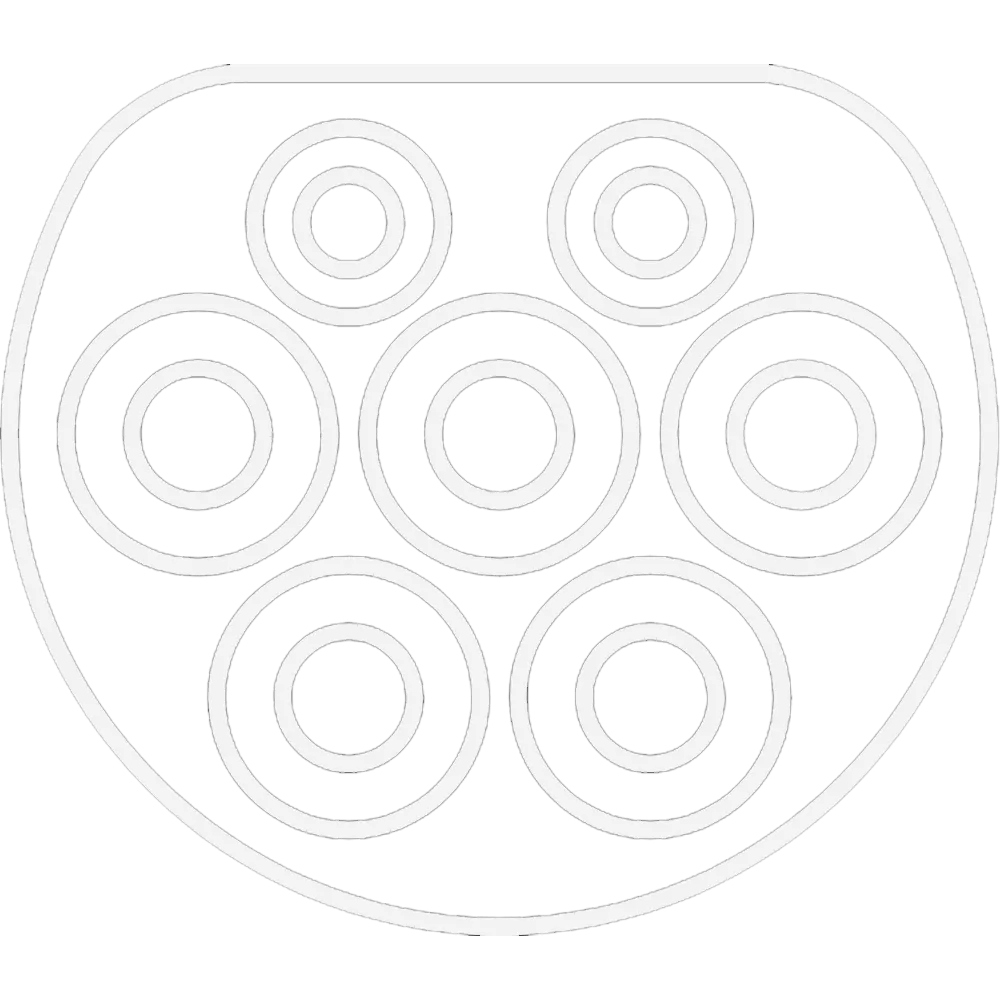
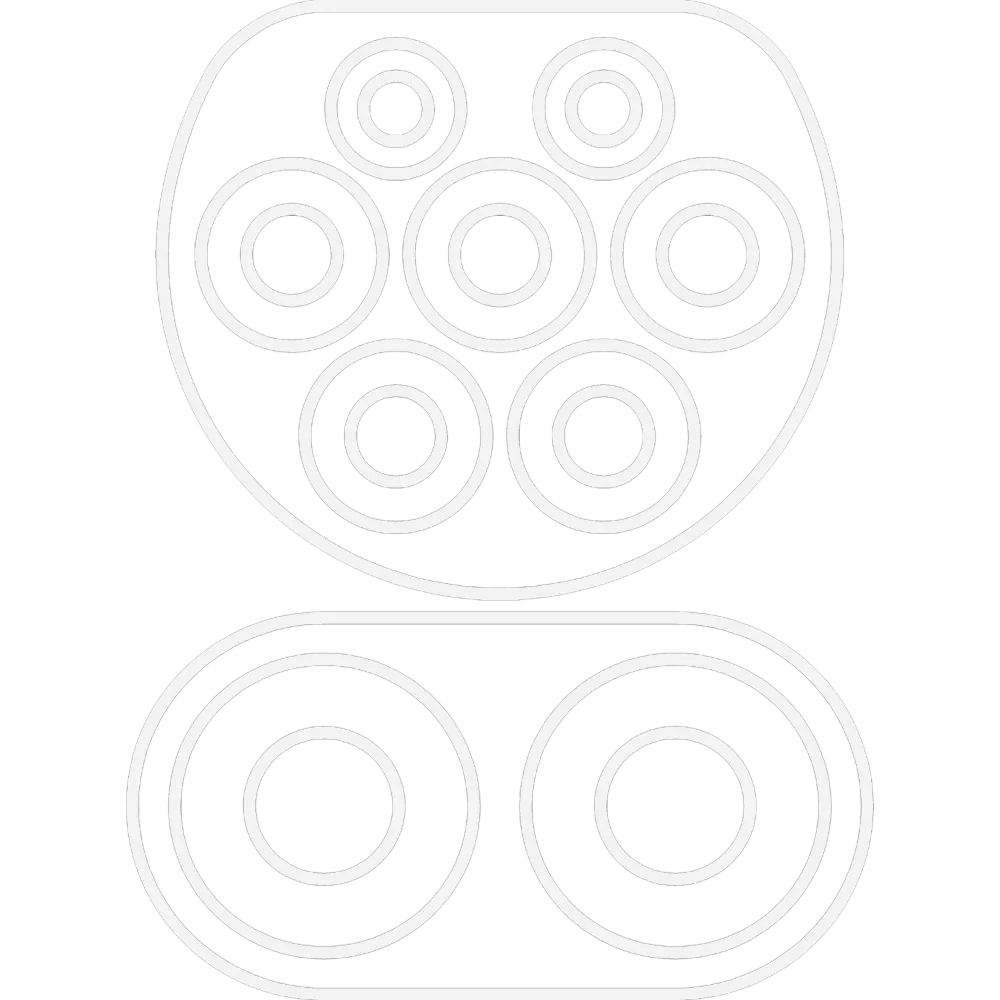
Charging includes AC charging up to 11 kW (Type 2); DC fast charging up to 195 kW (CCS Combo 2). For a typical DC stop, it adds ~208 km in 10 min; Key performance figures: top speed 185 km/h.
Class comparison
Within a group of 503 SUVs, Hyundai IONIQ 5 63 kWh RWD 2024 stands out for shorter DC stops and more range in 10 min. 10–80% time is shorter than the class median; 15 min vs 30 min; 15 min quicker, -50%. Range added in 10 min is higher than the class median; 208 km vs 141 km; 67 km higher, +48%. 0–100 km/h is slower than the class median; 8.5 s vs 6.6 s; 1.9 s slower, +29%. Good fit if you prioritize shorter 10–80% stops and more range in a 10-minute stop and can live with slower acceleration.
Real Range
City - Mild Weather
444 km
City - Cold Weather
356 km
Highway - Mild Weather
337 km
Highway - Cold Weather
260 km
Real range estimates The values shown here are estimates calculated by BEV-Database using WLTP data and the usable battery capacity of the car. Mild weather represents driving in roughly +20 +25 C without heavy use of climate control, while Cold weather reflects winter conditions with cabin heating. Highway assumes steady cruising at about 110 km/h. These figures are not official test results. Real-world range will vary depending on speed, temperature, traffic, road profile, payload, tyres and driving style.
BEVDB estimates use WLTP-rated (or derived) consumption and usable battery capacity to model city/highway ranges; the combined value averages the four scenarios.
Reminder: Range and energy consumption figures are estimates. Actual results may vary depending on weather, driving style, terrain, and other conditions.